✓
A sampling plan that matches the problem
We pick sample locations based on airflow, suspect areas, and building layout, then compare indoor results to an outdoor control so the numbers mean something.
Serving Jacksonville, Florida & surrounding areas
24/7 Emergency Response
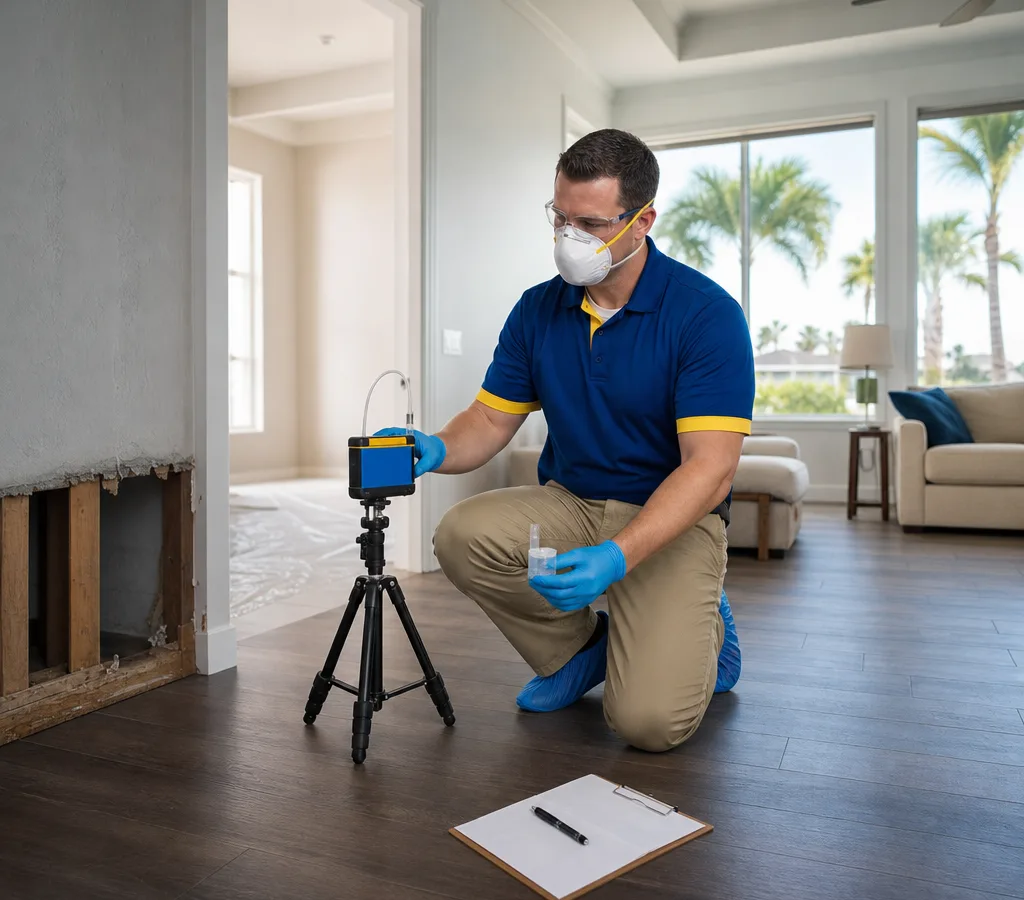
Mold testing · Jacksonville, Florida
Get fast scheduling, clear lab-backed results, and practical next steps for your home or business, whether you are reacting to a leak, a musty smell, or a real estate deadline.
Lab-backed results
Jacksonville area
✓Lab-backed results
✓Indoor and outdoor samples
✓Moisture-focused inspection
✓Homes and businesses
Move from suspicion to facts
If you smell a persistent musty odor, see staining you cannot explain, or recently dealt with a roof leak, plumbing leak, or HVAC moisture, mold testing is the fastest way to move from suspicion to facts. Mold growth can occur behind drywall, under flooring, inside cabinets, and around air handlers where humidity and condensation show up first.
In Jacksonville, moisture issues can linger because warm, humid conditions make it easier for damp building materials to stay wet. That matters in places like older Riverside and Avondale homes with plaster and layered renovations, coastal areas near Jacksonville Beach where salty air and wind-driven rain can stress exterior envelopes, and newer Southside developments where tight building shells can trap humidity if ventilation or drainage is off.
Mold testing Jacksonville Florida property owners rely on should answer three questions clearly: what type of mold is present by genus, how much is in the air compared to outdoors, and where the likely moisture source is so the problem does not return. Our team at Jacksonville FL Water Damage Restoration focuses on practical, decision-ready reporting so you can act confidently.
Inspection, sampling, and documentation
A proper mold inspection and test plan starts with the building, not a one-size-fits-all kit. We begin with a walkthrough to understand history—leaks, flooding, HVAC performance, and recent remodeling—then check likely moisture pathways around bathrooms, kitchens, exterior walls, and air handler closets.
Common methods used in Jacksonville properties include:
Testing identifies what is present and provides a snapshot of conditions at the time of sampling. It does not fix the moisture source or remove mold from materials. We can explain typical remediation scopes and clearance testing options, including independent third-party testing for clients already working with a remediator.
Decision-ready findings
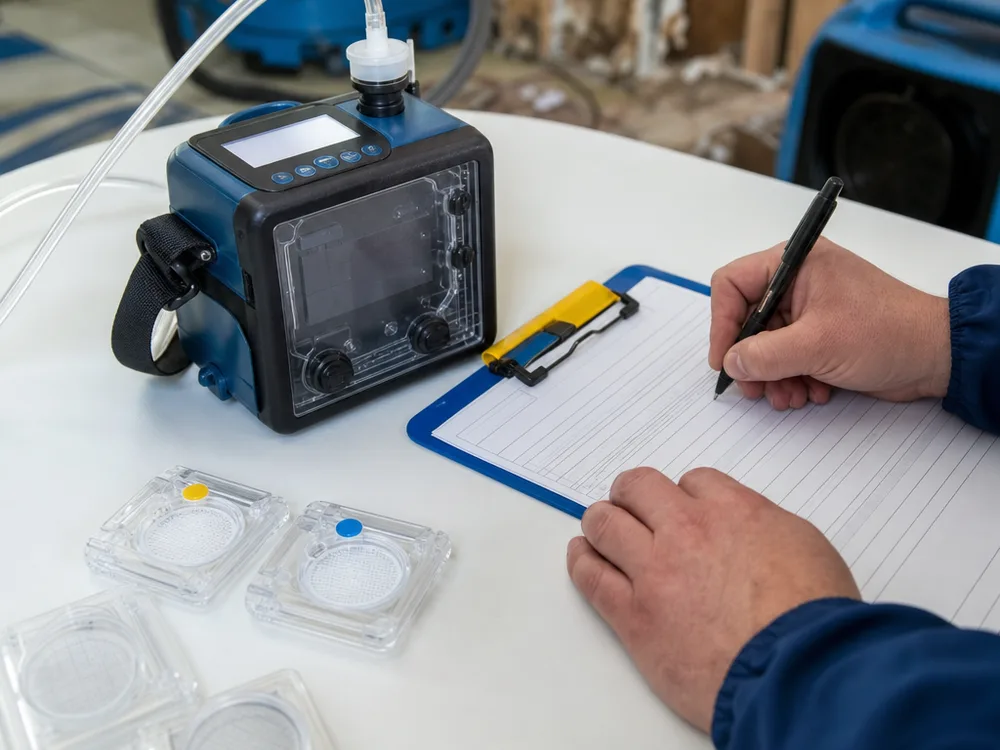
We pick sample locations based on airflow, suspect areas, and building layout, then compare indoor results to an outdoor control so the numbers mean something.
Reports summarize genera found and relative levels by sample, with plain-language notes on what stands out and what looks typical.
Mold follows moisture. We look for the likely moisture driver, such as recurring leaks, condensation around HVAC components, or humid indoor air.
Clear findings, sample labels, and dates support disclosures, repairs, and re-inspections without guesswork about what was tested.
If results show an issue, you get practical options: what areas to open, what materials commonly need removal, and when clearance testing makes sense.
Documented samples
Jacksonville area
From walkthrough to written findings
We ask about known leaks, when odors or symptoms started, and whether HVAC has been running. If you are on a closing timeline, we plan sampling to fit the deadline.
We walk the property, note visible staining or suspect materials, and take targeted moisture readings to narrow down where sampling will be most useful.
We take an outdoor control sample and then indoor air and/or surface samples based on conditions. Sampling locations are documented so results are easy to interpret.
Samples are sent to an accredited lab for analysis. You receive a report that explains what was found and what it suggests about the indoor environment.
We walk through the findings and discuss practical actions: targeted cleaning, removing affected materials, correcting moisture, and whether post-remediation clearance testing is appropriate.
Jacksonville testing costs
Mold testing in Jacksonville typically ranges from $250 to $750+, depending on how many samples are needed and the size and layout of the property. A basic test often includes an outdoor control and one or two indoor air samples, while larger homes or multi-room concerns usually require additional air and surface samples.
Price changes most with sample count, access to attics or tight crawlspaces, whether you need surface sampling on multiple materials, and how quickly results are needed. The exact cost is confirmed at the on-site inspection after we map out a sampling plan.
Prepare for representative readings
Small changes in airflow and air quality can affect readings. To help your mold testing reflect normal living conditions, keep windows and exterior doors closed for several hours before sampling when possible, and run HVAC as you typically do unless we advise otherwise.
Avoid heavy cleaning, painting, or using strong chemicals right before the visit. Do not run air purifiers or ozone devices in the test area for at least a day beforehand, and keep fans in their usual positions. If there was a recent leak, share the timeline and what was dried or replaced; the moisture history matters as much as what is visible today.
If you are dealing with active moisture from a plumbing break or storm water intrusion, testing might be the second step after the wet materials are stabilized. Many property owners start by addressing immediate moisture conditions through water damage restoration and then use mold testing to confirm what is present and whether additional containment or removal is needed.
“We had a musty smell that came and went, and I did not want to start tearing out drywall without proof. The inspection explained what areas made sense to sample, and the report was easy to understand.”
“Our buyer asked for mold testing before closing. Scheduling was quick, the sampling was professional, and the results gave us a clear plan for what to fix.”
“They found elevated spores in one room compared to the outdoor sample and pointed us to the moisture source near the air handler. That saved us from guessing.”
Answers before sampling
Scheduling depends on demand, but we prioritize time-sensitive situations like real estate timelines and active moisture concerns. When you reach out, share your address ZIP and your deadline so we can propose the fastest realistic window and set expectations for lab turnaround.
Yes in most cases, because an outdoor control sample helps interpret indoor results for that day's conditions. Jacksonville's outdoor spore levels can vary with weather, so the control sample is a key reference point when comparing indoor air to normal background levels.
Neither is universally better; they answer different questions. Air sampling helps assess what occupants may be breathing and whether spores are elevated indoors, while surface sampling helps confirm whether a suspicious spot is mold and identify the genus on that material.
Testing is typically done from accessible spaces, but we can sample in adjacent areas and use moisture readings to determine whether a contained cavity is likely affected. If results and moisture data point to a hidden issue, the next step is usually a limited, targeted opening by the appropriate trade so the area can be verified and corrected safely.
Mold testing provides objective data about what was found in sampled areas at the time of testing, but it is not a medical clearance or a guarantee about every hidden space. The most useful outcome is a clear comparison of indoor to outdoor air plus location-specific findings that guide what to fix and whether follow-up testing is needed.
Yes, post-remediation clearance testing is a common request when a remediator has completed work and you want verification before rebuilding or re-occupying the area. Clearance typically includes a visual check, moisture confirmation, and air sampling in and around the remediated zone, again compared to an outdoor control sample.
Start with a documented sampling plan
Tell us what you are seeing or smelling, where it is happening, and whether there was a recent leak. We will recommend a sampling plan that fits your property and provide a written report with next steps you can act on.