✓
Soot staining on walls and ceilings
Soot can permanently discolor paint, textured ceilings, grout, and porous stone. Early, correct cleaning methods matter more than aggressive scrubbing.
Serving Jacksonville, Florida & surrounding areas
24/7 Emergency Response
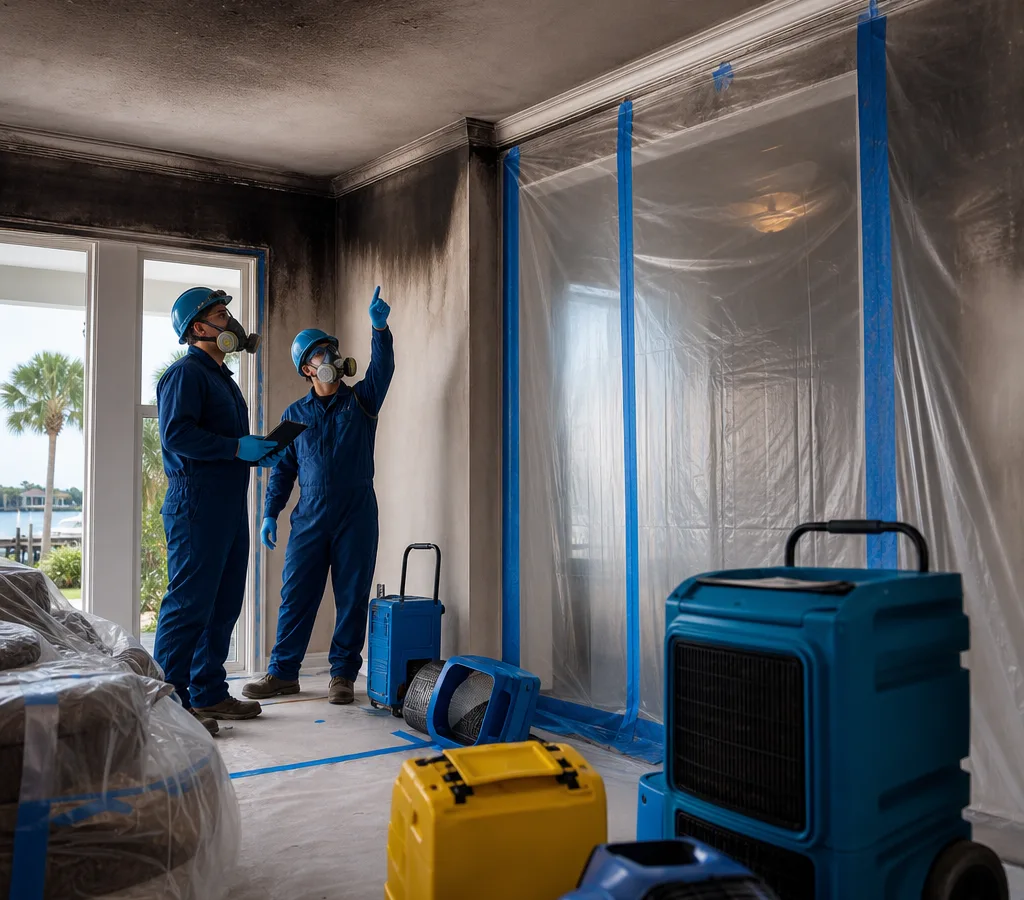
Fire restoration · Jacksonville, Florida
After a fire, smoke and soot keep damaging materials long after the flames are out. Get a clear restoration plan, careful cleanup, and repairs that bring your space back to safe, livable condition.
Written scope
Jacksonville area
✓Written restoration scope
✓Soot and residue cleanup
✓Source-focused odor removal
✓Insurance documentation
Act before residues set in
Fire damage restoration Jacksonville FL is a structured process that addresses more than what you can see. Heat, soot, smoke residue, and the water used to extinguish the fire can all create secondary damage if cleanup is delayed.
A proper restoration scope commonly includes:
In Jacksonville, humid conditions can compound problems after suppression efforts. Wet materials plus soot residue can lead to rapid staining, swelling, and odor set-in. The sooner the affected areas are evaluated and dried, the more building materials and contents can often be saved.
If the fire involved a cooking flare-up, electrical issue, or a garage incident, the work plan changes, but the priority stays the same: protect the structure, remove residues safely, and restore indoor air quality before rebuilding.
Documented cleanup and repair
You should know what is happening in your home or business every day the project is active. Our team documents conditions, explains what is salvageable, and lays out next steps before heavy work begins.
What you can expect when you reach out
If fire suppression created standing water or soaked insulation and drywall, we coordinate drying and moisture control as part of the restoration plan. When water damage is the primary concern, the same disciplined drying steps help protect materials before repairs move forward.
Property impact
Soot can permanently discolor paint, textured ceilings, grout, and porous stone. Early, correct cleaning methods matter more than aggressive scrubbing.
If odor is in insulation, framing cavities, HVAC returns, or soft goods, it will rebound. We trace the source and treat it, then confirm the space is ready for repairs.
Smoke residues can corrode metals and damage electronics over time. We prioritize stabilization and cleaning of affected components where salvage is realistic.
Wet drywall, flooring, and insulation can swell, delaminate, and develop odor fast in Florida humidity. Drying and removal decisions are based on moisture readings and material condition.
Foot traffic and airflow can spread fine soot into clean areas. Containment, negative-air strategies, and careful access routes reduce secondary mess.
Controlled work
Final walkthrough
From assessment to repair
We evaluate structural concerns, electrical risks, and areas that should be off-limits. We also note what can be cleaned versus what must be removed.
We set containment, protect flooring and pathways, and control air movement so soot does not migrate into other rooms.
Charred and smoke-saturated materials are removed in a controlled way. Salvageable materials are kept intact when cleaning can bring them back.
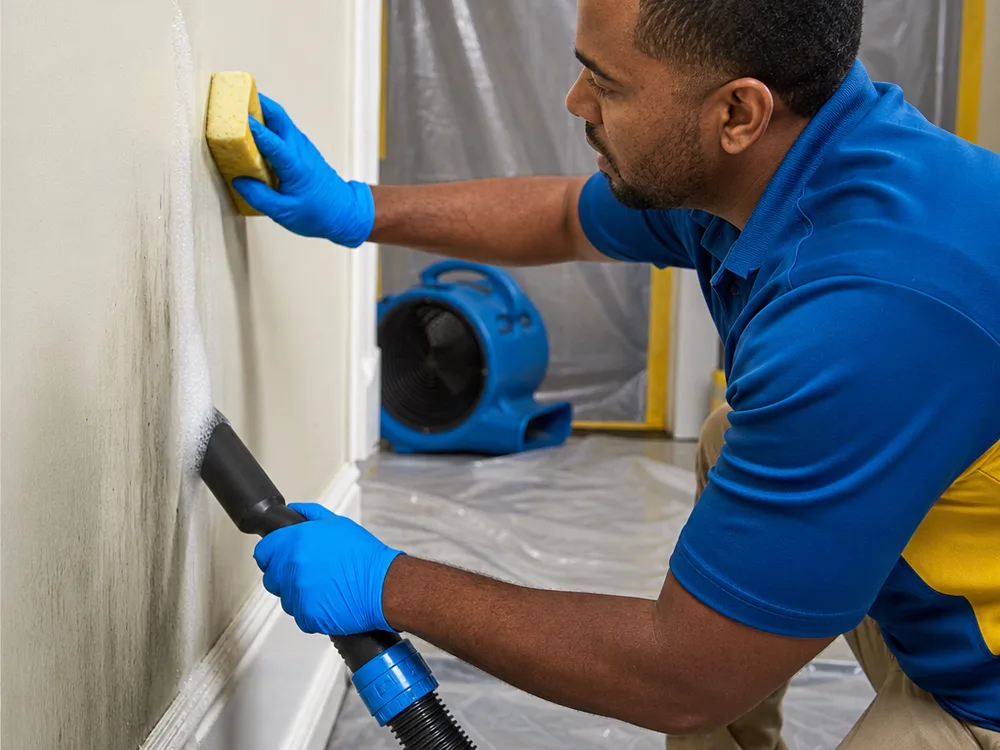
We use surface-appropriate methods such as HEPA vacuuming, dry sponging, wet cleaning, and targeted chemical treatments to remove residues without creating permanent smear or etching.
If suppression water affected the structure, we measure moisture, dry materials that can be saved, and remove those that cannot. This helps prevent odor set-in and finish failure.
We treat odor at the source and address air pathways, including HVAC concerns when relevant. Once cleaning goals are met, we plan repair steps without trapping smoke odor behind new materials.
We complete repairs based on the approved scope and walk the property with you to confirm areas are restored, clean, and ready for normal use.
Jacksonville restoration pricing
Fire damage restoration in Jacksonville typically ranges from about $3,000 to $25,000+, with small, contained incidents often landing in the lower end and whole-home smoke contamination or heavy structural impact pushing costs higher. A single-room smoke cleanup may be priced very differently than a project that includes demolition, drying after suppression water, odor treatment, and rebuild.
Final pricing depends on the affected square footage, soot type and spread—including HVAC involvement—what materials are salvageable, required containment, and how much rebuild is needed after cleaning. The exact cost is confirmed after an on-site inspection and a written scope.
“The fire itself was small, but the smoke got everywhere. They explained what could be cleaned versus what had to be removed, and the odor was actually gone after they finished. The daily updates helped a lot.”
“We were worried about soot spreading to the rest of the house. Their containment setup kept the clean rooms clean, and the repairs matched the existing finishes better than we expected.”
Answers before cleanup begins
Restoration should start as soon as the property is released for entry and it is safe to work inside, because soot residues are acidic and suppression moisture can accelerate staining and odor. Early assessment also helps determine what contents and finishes can be saved before damage becomes permanent.
Yes, when the odor source is identified and treated, smoke odor can be removed rather than masked. That usually means cleaning soot residues first, then using the right deodorization method for the materials involved, and addressing pathways such as insulation cavities or HVAC components when affected.
It depends on the fire location, how far smoke traveled, and whether utilities are safe to use. If major areas are under containment, HVAC is compromised, or deodorization requires the space to be unoccupied, temporary relocation may be safest until cleaning and air quality goals are met.
Many hard surfaces, some furniture frames, certain textiles, and non-porous contents can often be restored if residues have not set in. Porous materials like insulation, unfinished wood, and some upholstered items are harder to salvage when smoke penetration is deep, which is why early evaluation matters.
A small smoke cleanup may take a few days, while projects that include demolition, drying, deodorization, and repairs can take weeks. The timeline is driven by the amount of affected material, the rebuild work, and whether smoke traveled through attics, wall cavities, or HVAC.
Yes, we can provide a written scope, photos, and supporting documentation commonly requested during the claim process. You remain in control of claim decisions, and we help keep the restoration plan aligned with what the adjuster needs to review.
Start with an on-site inspection
Tell us what happened and what areas were affected. We will schedule an inspection, explain what can be cleaned versus replaced, and provide a written scope that supports a smooth restoration and repair process.