✓
Written findings you can share
A straightforward report that documents locations checked, visible conditions, moisture readings, and recommended next steps for repair or remediation planning.
Serving Jacksonville, Florida & surrounding areas
24/7 Emergency Response
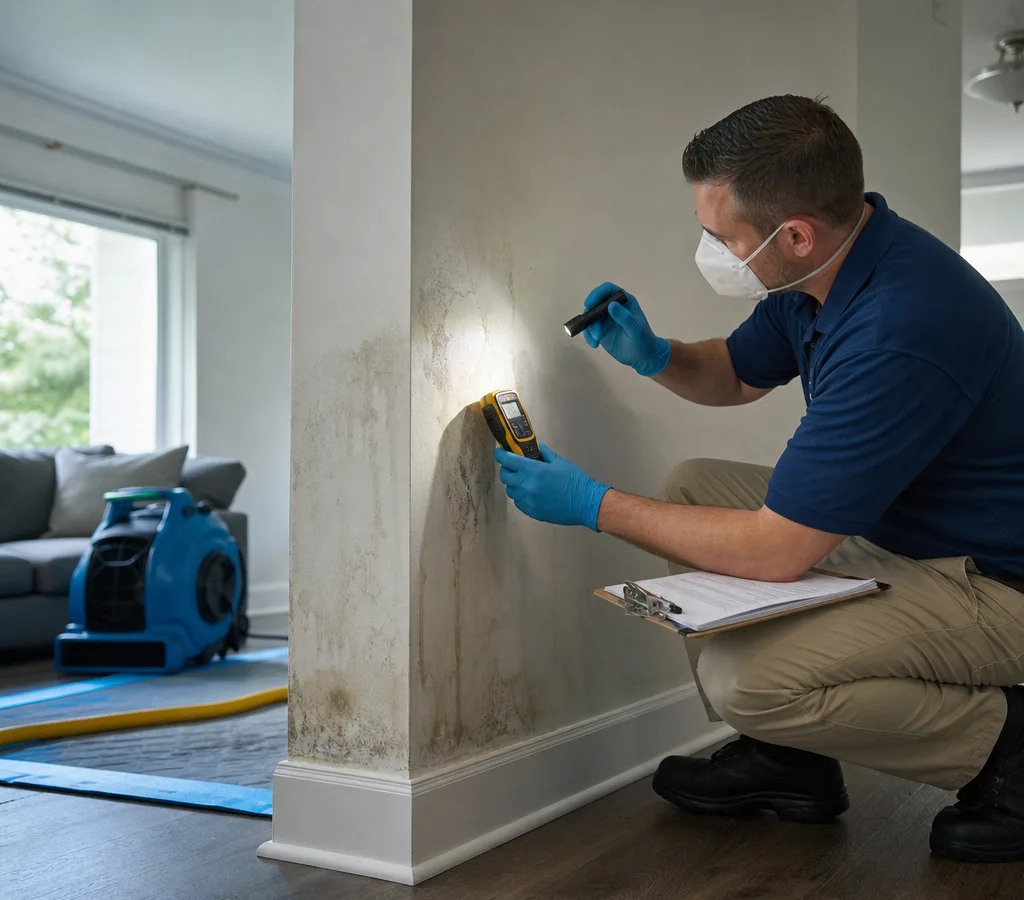
Mold inspection · Jacksonville, Florida
If you smell something musty, see staining, or have had a recent moisture issue, an inspection can confirm whether mold is present, where it's coming from, and what to do next. Our certified team provides clear findings, practical next steps, and documentation you can actually use.
Certified team
Jacksonville area
✓Certified team
✓Moisture mapping
✓Written findings
✓Homes and businesses
Evidence before action
A proper mold inspection is about answering three questions: Is there mold growth or conditions that support it? Where is the moisture coming from? What scope makes sense to fix it safely?
For mold inspection Jacksonville FL homeowners and property managers, the goal is clarity, not alarm. Mold is usually a symptom of moisture, so we focus on building materials and the pathways that keep them damp: roof and window leaks, plumbing seepage, HVAC condensation, wet crawlspaces, and humidity trapped in wall cavities.
An inspection should not jump straight to demolition or broad claims without evidence. You should get observable findings, moisture readings, photos where appropriate, and a written explanation of what was checked and why. If sampling is recommended, it should be tied to a decision you need to make—for example, confirming whether a suspicious area is microbial growth or documenting conditions for a transaction or tenant file.
Measured and documented
Our Jacksonville mold inspection process starts with a walkthrough and a plain-language intake: what you've noticed, when it started, any prior leaks, and where odors or symptoms concentrate.
Then we inspect with moisture-focused tools and methods:
You receive a clear summary of what we found, the likely moisture source, and practical guidance on next steps. If conditions suggest an active leak or wet materials, starting with water damage restoration in Jacksonville is often the fastest way to stop the cause before any mold work is considered.
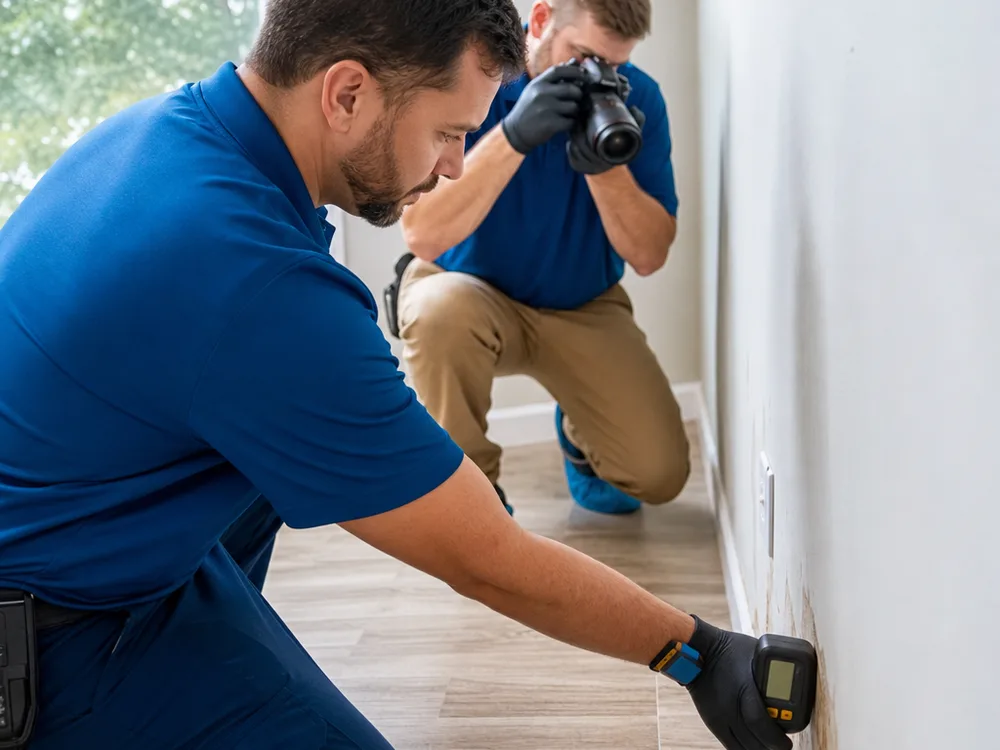
Useful inspection deliverables
A straightforward report that documents locations checked, visible conditions, moisture readings, and recommended next steps for repair or remediation planning.
We prioritize identifying why materials are damp, because removing mold without addressing moisture leads to repeat problems.
We size guidance to what's actually observed, whether that's monitoring, limited cleaning, targeted remediation, or repairs to stop water intrusion.
Inspections structured for homes, rentals, offices, and light commercial spaces where documentation and minimal disruption matter.
You'll know what we checked, what we didn't, and what would be the next logical step based on evidence.
Jacksonville moisture patterns
Jacksonville's humidity and frequent rain events can keep building materials damp longer than expected, especially in spaces with limited airflow. During a Jacksonville mold inspection, we pay special attention to areas where moisture can hide.
Common problem zones include:
Neighborhood and building style can change where we look first. In Riverside and Avondale, older housing stock can include plaster walls, original windows, and layered renovations where past leaks were covered rather than corrected. In newer developments around Southside and Baymeadows, we often see issues tied to HVAC condensation management, tight building envelopes, and localized plumbing leaks. In the Beaches area, salt air and wind-driven rain can make window and door intrusion worth a closer look, particularly on exposed elevations.
If you're dealing with a real estate transaction, a tenant complaint, or persistent odors that don't match any obvious leak, a mold inspection Jacksonville approach that blends visual evidence with moisture measurements is usually the most reliable starting point.
Measured review
Written guidance
We'll ask where you've noticed odors, staining, or past leaks, and whether anyone has sensitivities that affect how we plan the visit.
We inspect the areas of concern and nearby likely sources, take moisture readings, and document conditions that support microbial growth.
When sampling is appropriate, we explain what type is being collected and how it will be used—confirmation, documentation, or boundary setting.
You get a written summary with photos as helpful, what appears to be happening, what needs to be fixed first, and what to monitor.
If remediation is needed, we outline scope considerations, containment basics, and how to avoid cross-contamination during repairs or cleanup.
Jacksonville inspection pricing
Mold inspection in Jacksonville typically ranges from about $250 to $750, depending on the size of the property, how many areas need evaluation, and whether sampling is included. A smaller, focused inspection for one suspected area is often on the lower end, while larger homes or commercial spaces with multiple concern zones can run higher.
Your final cost depends on access—attic, crawlspace, or tight utility closets—how much moisture mapping is needed, the number and type of samples requested, and how complex the history is, including past leaks, renovations, or intermittent odors. Exact pricing is confirmed after the on-site evaluation is scoped.
“We had a persistent musty smell in a bedroom but couldn't find a leak. The inspector tracked elevated moisture to the wall near the air handler and explained what to fix first. The report was easy to follow and helped us get the right repairs done.”
“For a rental unit, we needed documentation more than opinions. The inspection notes and photos were thorough, and the recommendations were specific to the affected areas instead of telling us to tear everything out.”
Answers before inspection
Yes, we can perform mold testing when it helps answer a specific question, but not every inspection needs it. If visible growth and moisture are clearly identified, the most useful next step is often locating and correcting the moisture source and defining a reasonable scope, while sampling is most useful for documentation, confirmation of a suspicious material, or when results affect a lease or sale.
Most inspections take about 60 to 120 minutes on site, depending on property size, access to attic or crawlspace, and how many areas are being checked. If sampling is collected, results timing depends on the lab turnaround, and we'll explain what to expect based on the sample type.
We can't see through walls, but we can often identify elevated moisture and conditions consistent with hidden growth using moisture mapping and targeted investigation. If readings and symptoms point to a concealed issue, we'll explain where a small, controlled opening would be most informative before any larger work is planned.
Yes, because responsibility and moisture sources can cross unit boundaries. We focus on pinpointing whether moisture appears to be coming from your unit—plumbing or HVAC condensation—or from building elements such as windows, exterior walls, or the roof, and we document findings in a way that's useful for property management or an association.
Leave the affected area as-is so we can see true conditions, avoid running strong air fresheners that can mask odors, and clear access to the areas of concern—under sinks, the HVAC closet, attic entry, and around visible staining. If you have records of past leaks or repairs, having those handy helps us narrow down likely sources faster.
Yes. The first priority is controlling moisture, because that determines whether the problem stabilizes or continues to spread. Your report will identify the likely moisture drivers, what areas are impacted, and what next steps make sense, including whether you should address active moisture immediately and how to plan remediation safely.
Start with documented findings
Tell us what you're seeing or smelling and where it's happening. We'll schedule a mold inspection, document the findings, and help you make a sensible plan based on evidence, not guesswork.