✓
Emergency water extraction
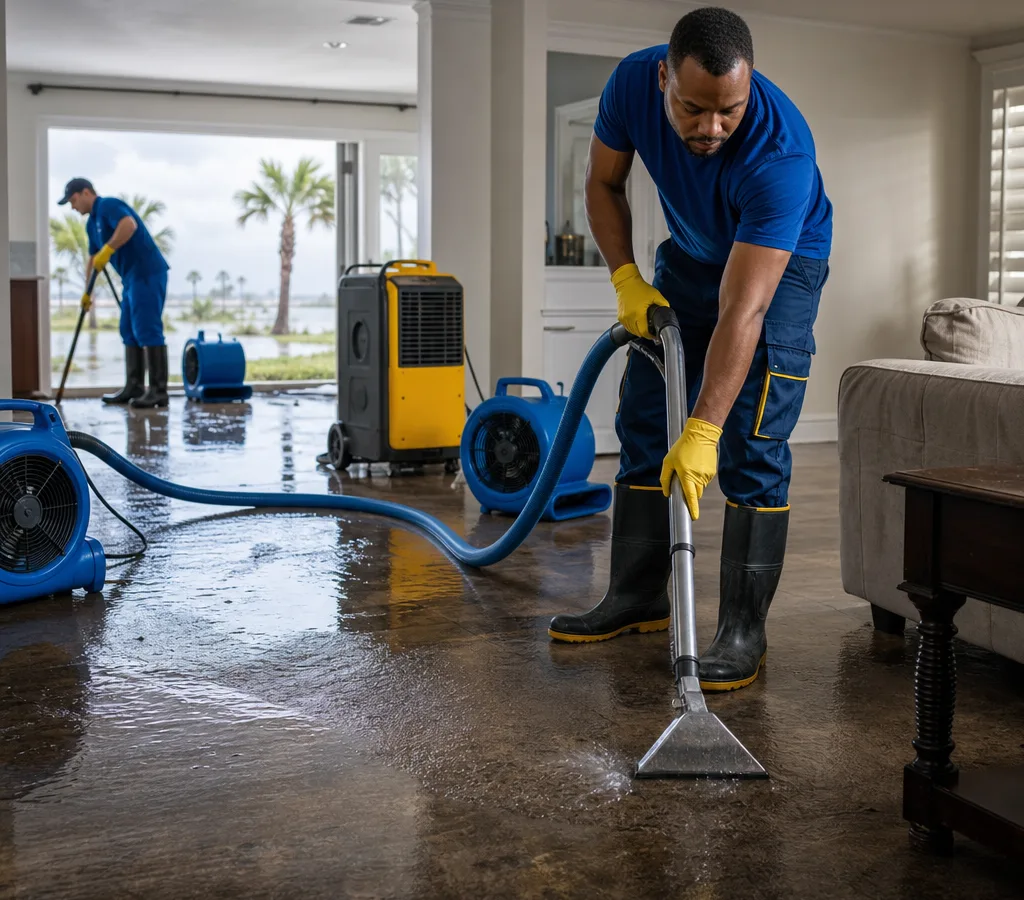
Pumping and vacuum extraction to reduce spread, followed by controlled removal of wet materials where needed to access trapped water.
Serving Jacksonville, Florida & surrounding areas
24/7 Emergency Response
One call instead of ten No web forms, no callback spam 24/7 Emergency Response
Storm damage restoration · Jacksonville, Florida
Fast emergency mitigation after storms and flooding: safe water removal, structural drying, and a clear scope so you can protect the building and move toward repairs.
A real person answers - 24/7 Emergency Response
Storm response
Jacksonville area
✓Safe water removal
✓Moisture mapping
✓Structural drying
✓Documented scope
Act before water spreads
When you are dealing with flood hurricane water damage Jacksonville homeowners see after a major storm, time is the difference between drying a structure and losing building materials. Standing water can soak drywall, baseboards, insulation, and subfloors within hours. Even when the water looks clean, stormwater often carries debris and contaminants that change how the cleanup must be handled.
Jacksonville sits on the St. Johns River and has many low-lying areas and waterways, so flooding after heavy rain and tropical systems is a real risk. Homes near the Intracoastal Waterway and the beaches can also take on water when wind-driven rain pushes past windows, doors, garage thresholds, and roof penetrations.
Jacksonville FL Water Damage Restoration helps stabilize storm-damaged properties by focusing on three priorities: removing water safely, drying the structure to verifiable targets, and documenting conditions so the restoration plan is clear. If you are comparing contractors, start with Jacksonville FL Water Damage Restoration for a straightforward approach and realistic next steps.
Complete storm mitigation
Pumping and vacuum extraction to reduce spread, followed by controlled removal of wet materials where needed to access trapped water.
Storm and flood events are often treated like contaminated water situations, with proper PPE, containment, and disposal methods based on what entered the structure.
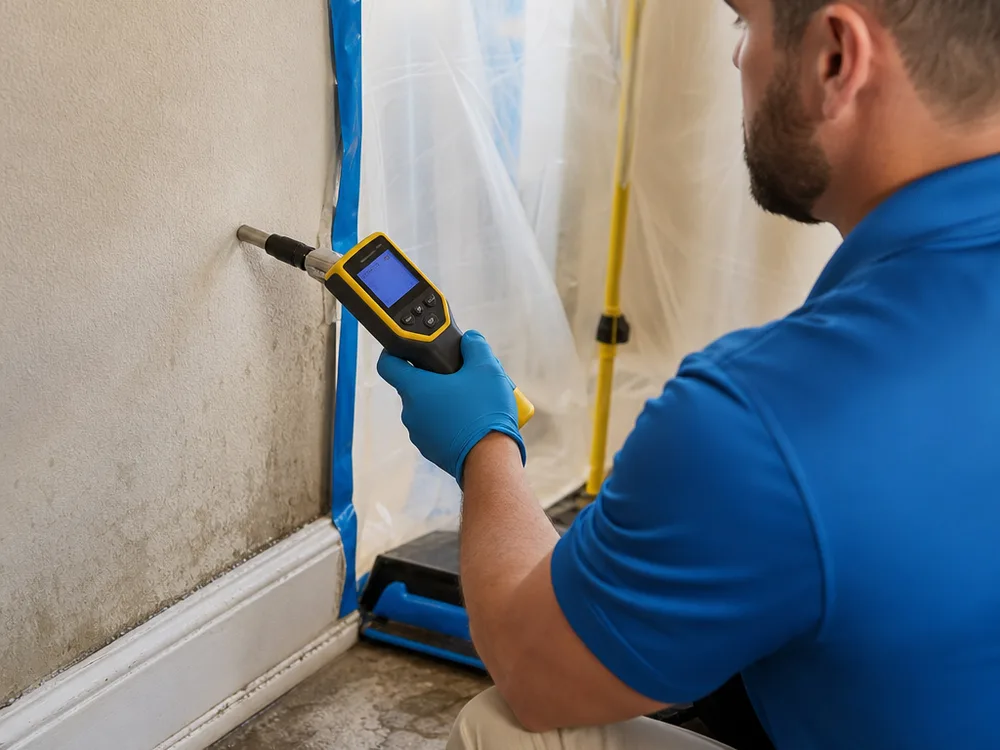
Air movers, dehumidifiers, and moisture mapping track drying progress in framing, subfloors, drywall, and cavities, not just the surface.
Cleaning of affected surfaces, targeted antimicrobial steps where appropriate, and odor treatment after wet materials are removed and drying is underway.
Guidance on what can be cleaned and dried, including some furniture and hard goods, versus what is usually unsalvageable, such as swollen particleboard and saturated carpet pad.
Photos, notes, and moisture readings help you make informed choices and support insurance conversations if you are filing a claim.
Hidden moisture and local conditions
Hurricane and flood losses are rarely just a wet floor. Water often migrates under baseboards and into wall cavities, and wet insulation can hold moisture against framing. In older or repeatedly wet buildings, you can also run into layered flooring systems that trap water between materials.
Local conditions matter. After a named storm, there is often a backlog across Duval County and neighboring areas. That delay can turn a manageable drying job into a larger demolition and rebuild. Another common issue is wind-driven rain: even without obvious roof failure, water can enter at soffits, flashing, or window and door assemblies, then show up far away from the entry point.
Different parts of Jacksonville can present different access and building challenges. Riverside and Avondale include many older homes with plaster, crawlspaces, and multiple remodel layers that require careful moisture tracing. Southside neighborhoods often have large slab-on-grade homes where water can wick under flooring and baseboards over a wide area. At the Beaches, salt air and heavy wind exposure can make building openings more vulnerable during storms, so getting the structure dried and cleaned quickly helps limit secondary damage.
If you are already dealing with lingering odor or suspected microbial growth, that becomes a separate scope. Many clients start with drying and cleanup and then schedule a targeted follow-up; when that applies, our mold remediation service covers containment, removal methods, and clearance-minded practices.
Measured drying
Verified scope
From safe entry to dry standard
We start by identifying hazards such as compromised flooring, potential electrical risks, and the likely contamination level of the water so the work plan matches the conditions.
If water is still entering through a roof leak, window intrusion, or burst supply line after the storm, the priority is to stop or reduce it so drying efforts are not wasted.
Extraction comes first. If materials are holding water or blocking airflow, we remove what is necessary to dry the structure correctly, including baseboards, sections of drywall, and saturated flooring layers.
We place air movers and dehumidifiers based on moisture mapping and room geometry, then monitor progress with moisture meters and humidity readings to confirm drying is actually happening.
After gross water is removed, we clean affected surfaces and apply appropriate antimicrobial steps when conditions warrant it, especially after stormwater exposure.
Once materials reach acceptable moisture levels, we document the dry standard and outline what is next for repairs so you can move forward with confidence.
Jacksonville restoration pricing
Flood and hurricane water damage restoration in Jacksonville typically runs about $1,500 to $6,000 for a localized loss, while larger whole-floor or multi-room storm events often land in the $7,500 to $25,000+ range when demolition and rebuild are included.
Your final cost depends on the water category (clean vs storm-contaminated), how far moisture spread into walls and floors, how many days of drying equipment are required, access and contents handling, and whether materials like cabinets, drywall, or flooring must be removed and replaced. The exact scope and price are confirmed after an on-site inspection and moisture mapping.
“After the storm, water came in under our back door and soaked the flooring into two rooms. The crew explained what had to come out, showed moisture readings each visit, and the drying equipment was placed so it did not feel random. We were able to start repairs with a clear scope instead of guessing.”
“We had standing water and a strong odor within a day. They extracted, set containment, and kept us updated on what was salvageable versus what needed removal. The biggest help was having documentation and a plan when everything felt urgent.”
Answers after a storm loss
You should start mitigation as soon as it is safe to enter because water can wick into drywall, insulation, and subfloors quickly, and stormwater conditions can create sanitation issues. If power is off or you suspect electrical hazards, wait for safe access first, then prioritize extraction and drying before focusing on cosmetic repairs.
Often, yes, because storm flooding can carry bacteria, sewage overflow, and debris even if it looks clear. That changes the work plan: protective gear, containment, more aggressive removal of porous materials, and a cleaning approach that focuses on sanitation as well as drying.
If it is safe, shut off water if a line is broken, avoid using wet outlets, and move valuables and paper items to a dry area. Take photos of affected rooms, then avoid running the HVAC if it pulled in water. Fans can help in small, clean-water losses, but after storm flooding you want professional drying and cleaning so moisture and contamination are not spread through the building.
Sometimes small sections can be dried, but insulation that is saturated typically performs poorly afterward and can hold moisture against framing. Drywall may be salvageable if only lightly affected and dried quickly, but after stormwater exposure, removing porous materials is common because cleaning and drying inside wall cavities becomes more reliable when access is opened.
Most drying jobs take several days, but hurricane and flood events can take longer when water moved into multiple rooms, wall cavities, or layered flooring systems. The real timeline is based on daily moisture readings, dehumidification performance, and whether wet materials are removed early enough to allow airflow to the structure.
Yes. We document the conditions we find, the affected materials, and the drying progress with photos and moisture data so you have clear records for decision-making and insurance conversations. Coverage depends on your policy and the source of the water, but good documentation helps reduce confusion about what happened and what work was required.
Start with a clear assessment
Tell us what happened and what areas are affected. We will assess the water source and spread, explain what needs to be removed versus dried in place, and lay out next steps for restoring your Jacksonville property.